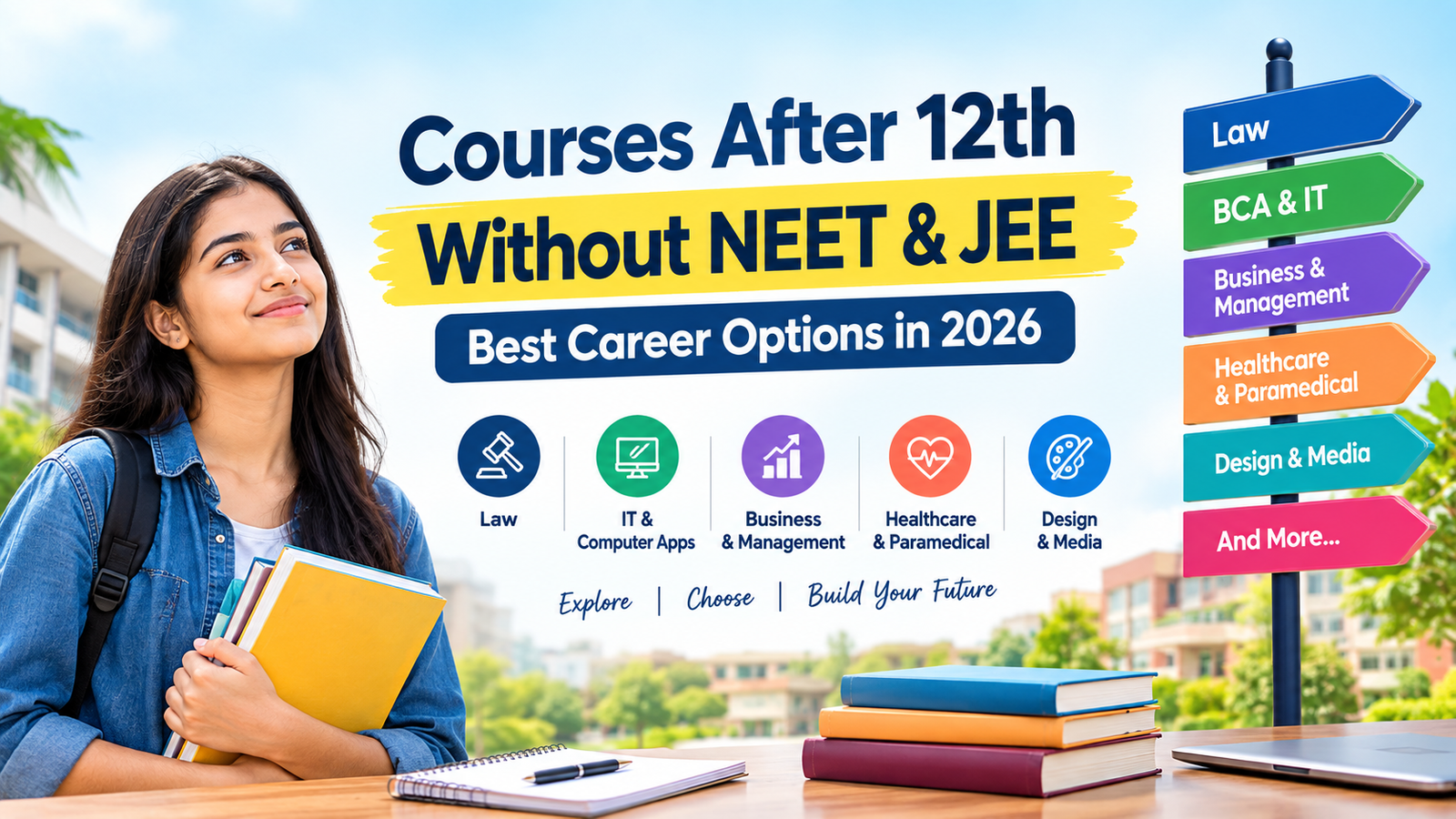
What to Do After 12th Without NEET & JEE in 2026? Best Career Options in India
If you are looking for courses after 12th without NEET and JEE, you have many career options in India. Not appearing for NEET or JEE does not mean you have fewer career opportunities after Class 12. Students can build successful careers in law, business, computer applications, finance, design, psychology, media, digital marketing, hospitality, healthcare management and skilled trades without taking either of these two exams.
The right course is not simply the one with the highest advertised package. It is the one that matches your interests, abilities, budget, preferred learning style and willingness to gain practical skills. In 2026, employers increasingly look for students who can communicate, solve problems, use technology responsibly and show real work through internships, portfolios or projects.
This guide explains the Best Courses After 12th Without NEET and JEE, the courses you can choose, the admission routes to expect and the career opportunities available after graduation.
Important: Admission eligibility, entrance tests, fees, seat availability and course-recognition rules can change by college, state and academic year. Always verify the latest prospectus and official website of the college or exam authority before applying.

First: You Do Not Need NEET or JEE for a Bright Future
NEET is mainly required for MBBS, BDS and certain medical or allied-health admissions. JEE Main and JEE Advanced are primarily used for admission to engineering programmes at specific institutions, especially IITs, NITs and other participating colleges.
However, many respected undergraduate courses do not require either examination. Depending on the college, you may gain admission through:
-
Class 12 marks or merit-based admission
-
CUET-UG
-
A university-specific entrance test
-
A state-level entrance examination
-
A portfolio or creative aptitude test
-
An interview or counselling process
CUET-UG is one route used by several universities for undergraduate admissions. Students should check both the official NTA CUET-UG website and the individual university website, because accepted subjects, cut-offs and admission processes differ by programme.
Before choosing any course, avoid making decisions only because friends are choosing it or because social media says it is “high paying.” A good career choice should balance interest, aptitude, job opportunities and the effort needed to become employable.
For parents and students who are comparing marks with real-world ability, also read our guide on Marks vs Skills: What Parents Must Understand.
Among the many courses after 12th without NEET and JEE, law is a popular professional option for students interested in reading, writing and debate.
Best Courses After 12th Without NEET and JEE
1. Law: BA LL.B, BBA LL.B and BCom LL.B
Law is one of the strongest professional options for students who enjoy reading, writing, debate, current affairs, business or public policy. You can pursue a five-year integrated law degree immediately after Class 12.
Popular course options include:
-
BA LL.B
-
BBA LL.B
-
BCom LL.B
-
BSc LL.B at selected institutions
Admissions to participating National Law Universities are generally through CLAT, while other universities may conduct their own entrance tests or admit students through separate criteria.
After law, students can work in litigation, corporate law, compliance, legal research, intellectual-property law, contract management, taxation, labour law, policy, legal journalism or legal technology.
Law is not an “easy money” career. Strong communication, legal writing, internships, networking and patience matter as much as the degree.

2. BCA and Computer Applications
Among the courses after 12th without NEET and JEE, BCA is an option for students interested in technology without taking a JEE-based B.Tech route.
A BCA programme can introduce students to:
-
Programming fundamentals
-
Web development
-
Databases
-
Software testing
-
Cloud basics
-
Cybersecurity fundamentals
-
Data analytics
-
Mobile-app development
After BCA, students can work as junior software developers, web developers, QA testers, technical-support associates, data analysts, IT support executives or digital-product support professionals. Many students also pursue MCA, specialised certifications or a master’s degree later.
The degree alone is not enough. Build projects, learn one programming language properly, understand databases, create a LinkedIn profile and apply for internships from the first or second year.
Students who are considering BCA, BBA or similar courses should choose a college based on faculty, internship support, curriculum, placement transparency and total fee—not only brand name. You may also find our article on Skill-Based vs Traditional Degrees in India useful before making a decision.

Student learning computer programming
3. BBA, BMS and Business Management
BBA, BMS and BBM programmes are suitable for students interested in business, management, entrepreneurship, marketing, sales, operations, human resources or startups.
Popular courses include:
-
BBA
-
BMS
-
BBM
-
BBA in Business Analytics
-
BBA in Digital Marketing
-
BBA in International Business
-
BBA in Finance
Career opportunities after graduation include business-development executive, management trainee, sales executive, HR associate, operations executive, customer-success associate, marketing coordinator and market-research assistant.
A BBA can be a strong foundation, but students should not assume that an MBA is compulsory immediately after graduation. Work experience, internships, communication skills, Excel, presentations, business writing and exposure to real projects can make a major difference.
BBA, BMS and BBM are also popular courses after 12th without NEET and JEE for students interested in business and management.

4. BCom, CA, CMA, CS and Finance
For commerce students—and for many students from other streams, depending on course eligibility—finance and accounting remain valuable career paths.
Common options include:
-
BCom or BCom Honours
-
BCom in Accounting and Finance
-
BBA Finance
-
Chartered Accountancy
-
Cost and Management Accountancy
-
Company Secretary
-
Economics
-
Financial planning and investment-related certifications
Students interested in Chartered Accountancy should refer to the official ICAI website for current Foundation, Intermediate and Final requirements. Students considering Company Secretary should check the ICSI website, while CMA aspirants can refer to the ICMAI website.
Possible career paths include accounting, audit, taxation, payroll, banking, financial analysis, compliance, investment operations, corporate finance and business advisory.
Finance is changing because of automation and AI tools, but people who understand regulations, taxation, risk, business decisions and client communication will remain valuable.
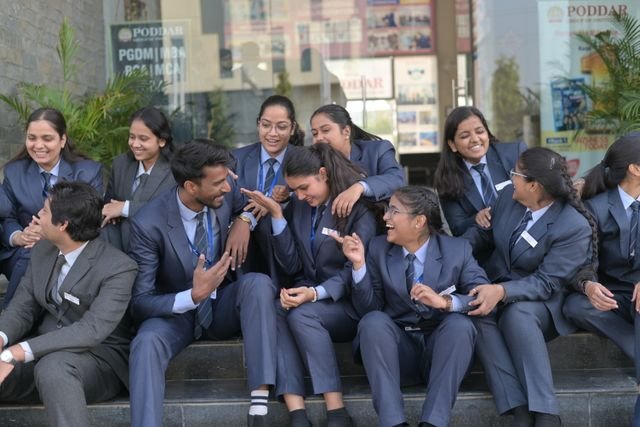
5. Digital Marketing and Content Careers
Digital marketing is a practical option for students who enjoy communication, business, creativity, social media, advertising or understanding customer behaviour.
You can pursue a BA, BBA, BCom, BCA or specialised digital-marketing programme. However, practical work matters more than collecting certificates.
Key skills include:
-
Search engine optimisation
-
Social-media marketing
-
Google Ads and Meta Ads
-
Content writing
-
Copywriting
-
Email marketing
-
Basic design using tools such as Canva
-
Website analytics
-
Marketing strategy
-
AI-assisted research and content workflows
Career roles include SEO executive, content writer, social-media executive, performance-marketing associate, email-marketing executive, digital-marketing analyst, account executive and brand coordinator.
Students should build a portfolio before graduating. For example, create a blog, manage a mock Instagram campaign, analyse a brand’s digital presence or run a small campaign for a local business.
6. Design: Graphic Design, UX/UI, Fashion and Interior Design
Design can be a good choice for creative students who enjoy visuals, storytelling, problem-solving and making ideas easier to understand.
Course options include:
-
B.Des
-
BFA
-
BA in Visual Communication
-
Graphic Design
-
UX/UI Design
-
Fashion Design
-
Interior Design
-
Animation and Multimedia
Some design institutes conduct their own entrance examinations, aptitude tests or portfolio reviews. For national-level design entrances and institute-specific details, students should check official institute websites rather than relying only on coaching advertisements.
Career opportunities include graphic designer, UX/UI designer, visual designer, illustrator, animator, fashion designer, interior designer, brand designer and content designer.
A design portfolio is essential. Employers often want to see your work, your process and your problem-solving ability—not only your marksheet.
7. Psychology, HR and Behavioural Careers
Psychology is suitable for students interested in human behaviour, mental health, education, research, counselling, workplace culture or social development.
Students may begin with BA Psychology or BSc Psychology. After graduation, they can explore postgraduate education in counselling, organisational psychology, research, human resources, behavioural science or related fields.
Career paths can include:
-
HR executive
-
Recruitment specialist
-
Learning and development associate
-
Research assistant
-
Behavioural-research assistant
-
Student-support roles
-
Counselling-related pathways after required higher education and training
Students must understand one important point: a BA or MA in Psychology alone does not automatically make someone a clinical psychologist. Clinical practice requires the appropriate current training and registration under the Rehabilitation Council of India. Before selecting a clinical-psychology programme, verify recognition and eligibility through the official Rehabilitation Council of India and the institute’s current prospectus.
8. Journalism, Media, Public Relations and Communication
Students who enjoy writing, speaking, research, video, photography, news, storytelling or social issues can consider media and communication courses.
Popular options include:
-
BA Journalism
-
BA Mass Communication
-
BJMC
-
BA in Advertising and Public Relations
-
Film and television studies
-
Photography and videography
-
Communication design
Career opportunities include journalist, copywriter, public-relations executive, communications associate, content producer, video editor, podcast producer, social-media strategist, news researcher and corporate-communications professional.
Media is a skill-driven industry. Students should publish articles, start a portfolio website, learn video editing, practise interviewing, understand media ethics and complete internships.
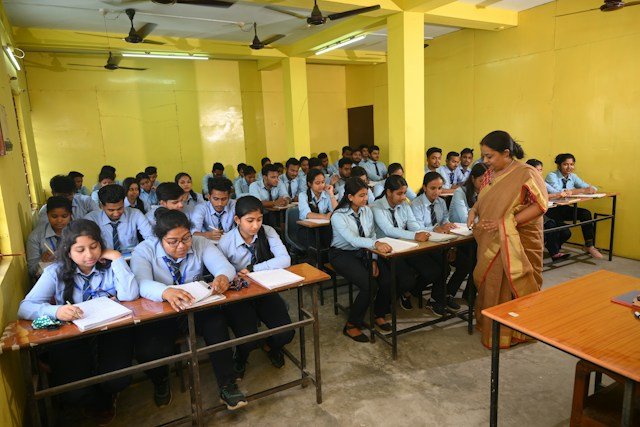
9. Hotel Management, Travel, Events and Hospitality
Hospitality is a people-facing career option for students who enjoy service, communication, teamwork, travel, food, events and working in dynamic environments.
Course options include:
-
Bachelor of Hotel Management
-
BBA in Hospitality Management
-
Tourism and Travel Management
-
Event Management
-
Culinary Arts
-
Bakery and Patisserie
-
Aviation and airport-management courses
Career paths include hotel operations, guest relations, event coordination, food and beverage management, travel consulting, tour operations, culinary roles, cruise hospitality and airport customer service.
Good spoken English, confidence, grooming, problem-solving and additional language skills can improve career prospects in this sector.
10. Courses After 12th Without NEET and JEE: Healthcare Options
Students looking for courses after 12th without NEET and JEE can also explore several healthcare-related options, but eligibility varies by course, state and university.
Possible areas include:
-
Hospital administration
-
Health information management
-
Medical coding
-
Clinical research
-
Nutrition and dietetics
-
Public health
-
Medical laboratory technology
-
Optometry
-
Occupational therapy
-
Physiotherapy
-
Radiology and imaging technology
Do not assume that every healthcare-related course is NEET-free everywhere. Before applying, confirm the admission criteria, internship requirement, professional registration rules, hospital exposure and recognition status directly with the university or regulatory authority.
11. Skilled Trades, ITI and Diploma Courses
A four-year degree is not the only route to a stable career. Students who prefer hands-on learning can consider ITI courses, diplomas, apprenticeships and job-focused vocational training.
Options may include:
-
Electrician
-
Electronics technician
-
HVAC and refrigeration technician
-
Solar-panel technician
-
Automobile technician
-
Welding and fabrication
-
CNC and machine operations
-
Beauty and wellness
-
Culinary training
-
Plumbing
-
Mobile repair
-
Industrial maintenance
These careers can lead to employment, freelance work, small-business opportunities or overseas opportunities when students gain verified skills and work experience.
Choose an institute that provides practical training, equipment access, recognised certification and apprenticeship or placement support.
How to Choose Courses After 12th Without NEET and JEE
Use these questions before finalising a college or course:
-
Which subjects and activities do I genuinely enjoy?
-
Do I prefer numbers, people, technology, creativity, business or practical work?
-
Am I comfortable with a three-year degree, a five-year professional course or a shorter job-focused programme?
-
What is the total cost, including hostel, travel, books and living expenses?
-
Does the college provide internships, projects, industry exposure and transparent placement information?
-
What skills will I need in addition to the degree?
-
Can I see myself doing the day-to-day work in this field?
Do not choose a course only because it is popular in your friend circle. A student who is genuinely interested in design, commerce, law, BCA or skilled technical work can build a better career than someone who enters a fashionable course without interest or effort.
For students researching colleges in Bengaluru, you can also explore our guide on Mount Carmel College Bengaluru and compare the course, location, fees, eligibility and admission process with other suitable options.
Why AI Skills Matter in Every Career
You do not need to become an AI engineer to benefit from AI. In 2026, students in almost every field should learn basic AI literacy.
A law student can use AI tools for organising research but must verify legal information. A marketing student can use AI for campaign ideas but must understand customers and analytics. A BCA student can use AI-assisted coding tools but must still understand programming logic. A design student can use AI for ideation but needs original visual judgment and a strong portfolio.
The safest approach is not “AI versus humans.” It is learning how to combine domain knowledge, human judgment and responsible use of technology.
Build skills that remain valuable across careers:
-
Clear communication
-
Problem-solving
-
Digital literacy
-
Excel and data basics
-
Presentation skills
-
Research and fact-checking
-
Teamwork
-
Internship experience
-
Portfolio projects
-
Responsible AI use
Frequently Asked Questions
Which is the best course after 12th without NEET and JEE?
There is no one best course for every student. BCA can suit students interested in technology, BBA can suit business-minded students, law can suit students interested in reading and argument, BCom can suit finance-focused students, and design can suit creative students. Choose according to interest, aptitude, budget and career goals.
Can I get admission after 12th without any entrance exam?
Yes, many private and some public colleges offer merit-based admission based on Class 12 marks. However, reputed universities and professional courses may use CUET, college-specific tests, portfolios or interviews. Always check the official admission notice.
Is BCA better than B.Tech for students who do not want JEE?
BCA can be a good option if you want to enter IT without a JEE-based engineering route. Your success will depend on programming skills, projects, internships, communication ability and continued learning. Students can also pursue MCA or specialised certifications later.
Is BBA a good course after 12th?
BBA can be valuable for students interested in management, marketing, business, HR, operations or entrepreneurship. Its value increases when students complete internships, develop communication skills and gain practical exposure alongside the degree.
Can PCB students choose careers without NEET?
Yes. PCB students can explore psychology, nutrition, healthcare administration, public health, biotechnology, medical laboratory technology, optometry, clinical research and other options. Eligibility can vary by course and state, so verify requirements before applying.
Do I need an MBA after BBA?
No. An MBA is not compulsory immediately after BBA. Some students choose to work first, gain experience and then pursue an MBA with a clearer specialisation and stronger profile.
Are skill-based courses better than traditional degrees?
Neither is automatically better. A degree can provide foundational knowledge and eligibility for many jobs, while a skill-based course can help students become job-ready faster. The strongest path often combines a relevant degree, practical skills, internships and a portfolio.
Explore More Career & Admission Guides
Still deciding what to study after Class 12? Explore these related Admission Mantra guides to compare different courses and admission pathways:
- Courses Without NEET in India: 10 Healthcare Careers to Explore in 2026 – Explore healthcare career options for students who do not want to pursue MBBS through NEET.
- Management Admissions: BBA, MBA & Business School Selection Guide – Learn about BBA, MBA, management specialisations and important factors when choosing a business school.
- Nursing Admissions in Karnataka: Courses & College Selection Guide – Understand nursing courses, eligibility, clinical exposure, college selection and admission support.
- Engineering Admissions in Karnataka: College, Branch & Counselling Guide – Compare engineering branches, colleges, counselling, fees and career goals before making a decision.
- Medical Admissions in Karnataka: Complete Guide to Courses, Counselling & College Selection – Understand medical courses, counselling, college selection, fees and admission requirements.
Final Thoughts
Not taking NEET or JEE is not the end of your options—it is the beginning of a different decision-making process. The best career after Class 12 is one that matches your strengths and gives you a realistic route to build skills, experience and confidence.
Shortlist three to five course options, check official eligibility, compare colleges honestly and speak with a qualified career counsellor before paying any admission fee. Your course matters, but your skills, projects, internships, discipline and ability to keep learning will shape your long-term career even more.